
As of the 2026 guide, a quiet corner of Los Angeles has two different restaurants with a single Michelin star each. Manzke earned its star in 2022. Lielle joined the list in the 2026 guide. Both sit in Pico-Robertson, a neighborhood known more for front yards and apartment mailboxes than for tasting menus.
That is the whole story, and it is the point. Two one-star restaurants in one modest, largely residential neighborhood. No banners. No chanting about a "scene." Just two verified checkmarks in the most merciless little red ledger in dining, lodged on blocks where most people come home from work and look for parking.
I have walked those residential stretches for years and never expected to write a sentence like that. The stars did not land where a press release would have told you to aim. They landed where the city actually lives.
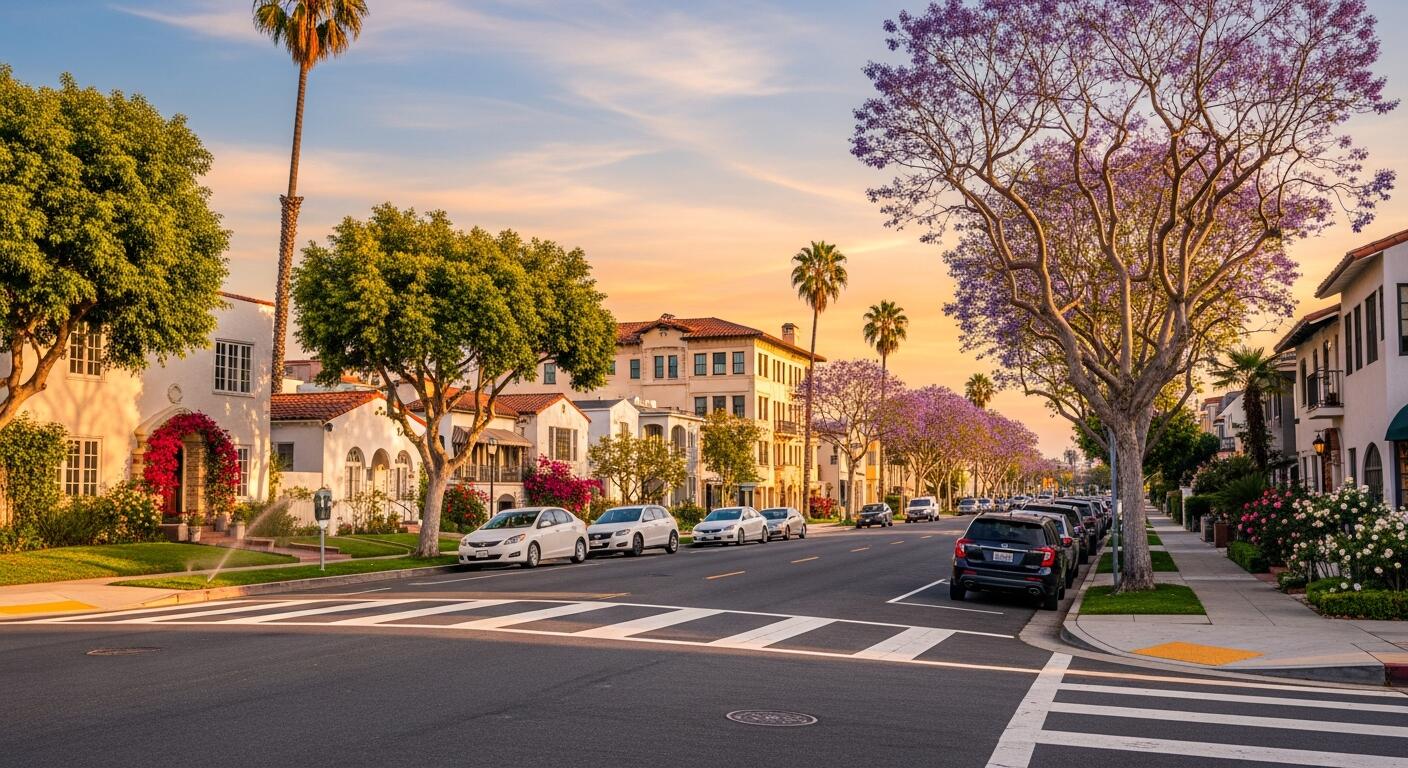
Los Angeles likes size. When this city does dining news, it usually involves a splashy opening on a boulevard everyone can picture. This is not that. The surprise is geographic and small, and that is its value. In a neighborhood built for everyday life, two restaurants quietly met a global standard. Nothing else needs inflating.
Michelin's star system is simple on the surface and severe underneath. One star signals a very good restaurant worth a stop. It is not a participation ribbon. It is the sort of judgment a chef can spend a career chasing and never catch. In Pico-Robertson, two separate kitchens caught it.
Start with Manzke. Run by chefs Walter and Margarita Manzke, it earned a Michelin star in 2022. That is a dated, checkable fact. Not an impression, not a well-reviewed opening. A star. The only embellishment a writer can bring to that sentence is restraint.
Now add Lielle. Chef Marcus Jermark's restaurant earned a Michelin star in the 2026 guide. Again, the date matters. Guides change. Restaurants open, close, evolve, hold steady, or lose track of themselves. What stands here is not a promise about next year. It is a snapshot that tells you how two different dining rooms in this same residential neighborhood performed under scrutiny strong enough to break most places long before they ever get read by an inspector.
If you want a grand thesis about where Los Angeles dining is headed, you will not find it on this block. You will find two data points that add up to a better, smaller lesson. Excellence does not need a district to explain it. It fits on a porch-lit street just fine.
Call it a streak if you want, with the scale kept honest. Two restaurants is not a movement. It is not a corridor. It is not a promise that every third storefront in Pico-Robertson will sprout a tasting counter. The story is exactly as large as the facts allow. A residential neighborhood now contains two one-star restaurants, each with its own chef and its own year in the book.
That narrowness is the charm. If you live nearby, you might only learn about the stars when a relative asks where to go for a celebration and a friend quietly mentions one of these names. The area does not advertise this achievement. It does not need to. The stars spoke.
For readers who track dining like sports standings, these dates create their own little tension. 2022 placed Manzke on the board. 2026 doubled the count within the same neighborhood by adding Lielle. If you lined up every neighborhood in Los Angeles purely by this cramped metric, Pico-Robertson would clear a bar most places never reach once. That says less about hype than about distribution. In a vast city, excellence settles where it can work. Sometimes that is a bright marquee. Sometimes it is a residential streetlight.
There is a special satisfaction in learning a place you thought you understood has been keeping its own counsel. Think of the ordinary weeknight errand, and then add the knowledge that somewhere within that same grid of quiet blocks, kitchens are making the kinds of choices that lead to a Michelin inspector writing yes. The feeling is not showy. It is steadiness dressed as surprise.
That steadiness fits the character of a residential neighborhood. A restaurant that lasts in such a setting often has to serve more than destination diners. It has to be tolerable to live next to, and worth walking past every day without resentment. Stars are awarded by an outside authority, but they still land in the middle of a living place. The pairing makes the recognition feel earned twice, once by the guide and once by the geography.
It also trims the citywide chest-thumping that follows every new accolade. The math on this story tops out at two. That is not a weakness. It is a proportion. A neighborhood built for ordinary life now contains two restaurants that met an extraordinary bar. The calibration is the lesson.
Put the card on your fridge if you want it even plainer. Manzke, chefs Walter and Margarita Manzke, star in 2022, in Pico-Robertson. Lielle, chef Marcus Jermark, star in 2026, also in Pico-Robertson. That is the confirmed ledger. No invented backstory required, no extra flourish about a "destination district."
In the city's conversation about where the best meals happen, these kinds of specific lines matter. They anchor the noise. Awards ebb and flow, and every guide has its blind spots. But a year and a neighborhood are hard facts. Put them together and you start to see a different map of Los Angeles, one that does not center only the obvious corridors. It is a map that leaves room for an address you drive by without noticing to be doing serious work inside.
And if you are the neighboring resident walking home with takeout, the story gets even quieter. Two kitchens a short distance apart by neighborhood standards reached the same global measure. That is not a parade. It is a raised eyebrow and maybe a little pride, the kind you feel when the block you know best turns out to be keeping better company than you realized.
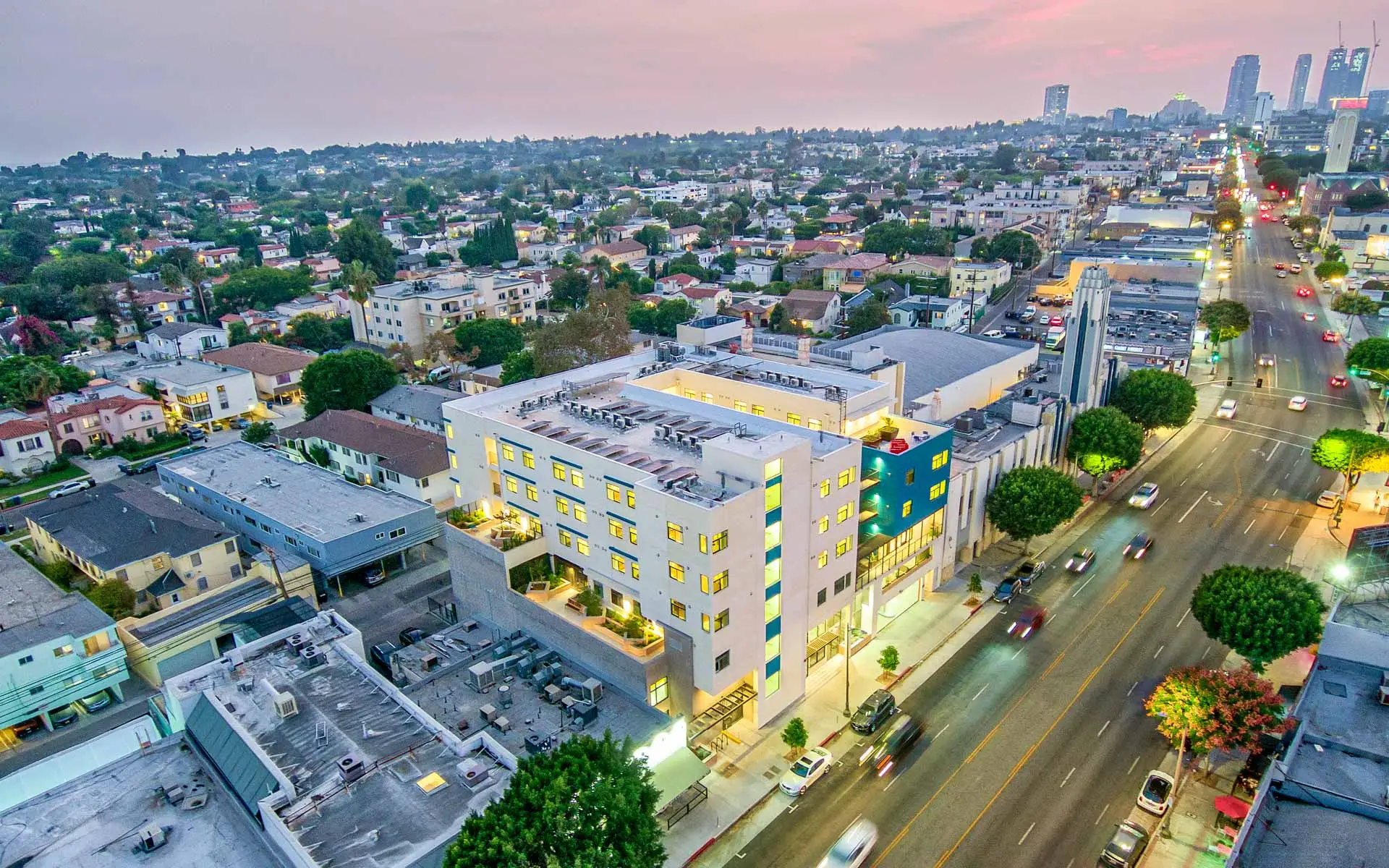
The rhythm of a city is mostly made of its unremarkable parts. Streetlights that work, windows that glow, the hiss of a bus you have taken a thousand times. What makes this small pattern in Pico-Robertson worth setting down is that it respects that rhythm. It does not try to remake the neighborhood into a brand. It simply notes that two separate rooms, under two different chefs, on two different timelines, reached the same high mark inside a place that reads as residential first.
If that strikes you as improbable, that is fine. It is also verifiable, which is better. A star in 2022 for Manzke. A star in 2026 for Lielle. The neighborhood is Pico-Robertson. Everything else is interpretation.
Walk any residential block nearby and look at how ordinary it all seems. Then remember the numbers and the names. Two stars in a place that does not ask you to notice them. That is enough of a headline for this part of Los Angeles, and it reads true in the daylight.