
The detail that snaps a reader awake is simple enough to verify. 27th Street Bakery in South LA is co-owned by Jeanette Bolden-Pickens, an Olympic gold medalist sprinter. The shop is not a vanity project or a post-competition detour. It is the family business, and it has been for a long time.
That length matters. The story begins as a restaurant on Central Avenue in the 1930s, opened by Harry and Sadie Patterson. Then in 1956, the family turned the restaurant into a bakery. Two sentences, two dates, one neighborhood. Most places do not keep their lane through that much of the city's churn. This one did.
If you want the why, it is because the through line here is continuity at scale. The family kept the ovens hot while the map around them redrew itself. Today the bakery is in its third generation, co-owned by sisters Denise Cravin-Paschal and Bolden-Pickens, along with Bolden-Pickens' husband, Al Pickens. The shop is still Black-owned after roughly 70 years. Those are numbers you can put on a timeline, not adjectives.
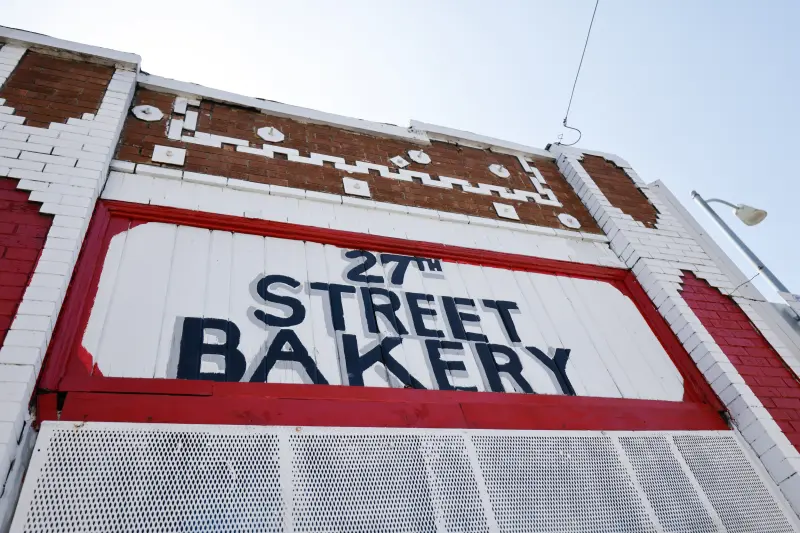
The early chapter is not a mystery. A restaurant on Central Avenue in the 1930s is a matter of record, a family enterprise run by Harry and Sadie Patterson. The pivot that defines the modern place came later. In 1956, the family moved from serving meals to running a bakery. That is a clean switch, the sort of decision that fixes a date in the life of a business. You can measure everything that follows from it.
Plenty of family shops last a decade or two. Fewer make it past the handoff to children. Surviving the transfer to grandchildren is rarer still. Here, the baton passed to sisters and then widened to include a brother-in-law. The family kept ownership close enough to remember who brought the key in the morning and who locked up at night. They also kept a product that translated beyond a single counter and a single street.
The bakery's signature lane is sweet potato pie. How prominent is that lane The bakery says it is the largest manufacturer of sweet potato pies on the West Coast. That is the bakery's own claim, not an independent count. Treat it like what it is, an assertion from the people who make the pies, and then keep reading for the figure that is not an assertion.
The scale that is easy to miss is the wholesale side. The bakery serves close to 300 vendors, including convenience stores. That number tells you the place is not just about what fits in a single display case. It is about trucks and invoices, recurring orders, and recipes that hold steady from one batch to the next. A reader who has never set foot on 27th Street may still have eaten this bakery's pies without realizing it.
That is the part that rewires how you think about a neighborhood business. We are trained to mark success by lines out the door and glossy signage. Quiet distribution is less photogenic. But in Los Angeles, a city that spreads more than it stacks, a network like this is how food finds people. If the bakery sends pies to a few hundred storefronts, the sum of those cases and counters is a second city within the city, a pie map you can't see from any one block.
The number also corrects a common assumption about longevity. Staying alive for decades is one test. Scaling without giving up the family name is another. The first is nostalgia. The second is architecture. Serving nearly three hundred vendors suggests systems, recipes, and ownership that did not blink when the operation got bigger. You do not reach that many accounts unless someone kept the books, the ovens, and the schedule aligned for a very long time.
Family businesses often put a lot of weight on the word family without saying what it means. Here it means specific people in specific roles. The co-owners now are sisters Denise Cravin-Paschal and Jeanette Bolden-Pickens, and Bolden-Pickens' husband, Al Pickens. Spell the names, then look at the arc. Siblings running the shop into its third generation is the kind of stability that you can hear in the way regulars talk about a place, but you do not have to rely on anyone's rosy memory. The ownership structure says enough.
There is also the Olympic line. Plenty of athletes lend their names to products. The difference here is that the medalist is one of the people responsible for the enterprise. A gold medal is a high-gloss credential that does not usually point toward dough, ovens, and purchase orders. In South LA, it does. The fact sits plain as day and quietly flips the expected sequence. The medals came, the family business kept going, and both truths sit in the same sentence without trying to impress each other.
Keep the tone grounded. Do not inflate a resume into a metaphor for the city. The concrete part is enough. A gold medalist sprinter helps run a bakery. The bakery is the third generation of a 1930s Central Avenue restaurant that became a bakery in 1956. It is still Black-owned after roughly 70 years. It serves close to 300 vendors, including convenience stores. If you made a map with only those data points, you would already have a picture of a place that kept its center while time and traffic moved around it.
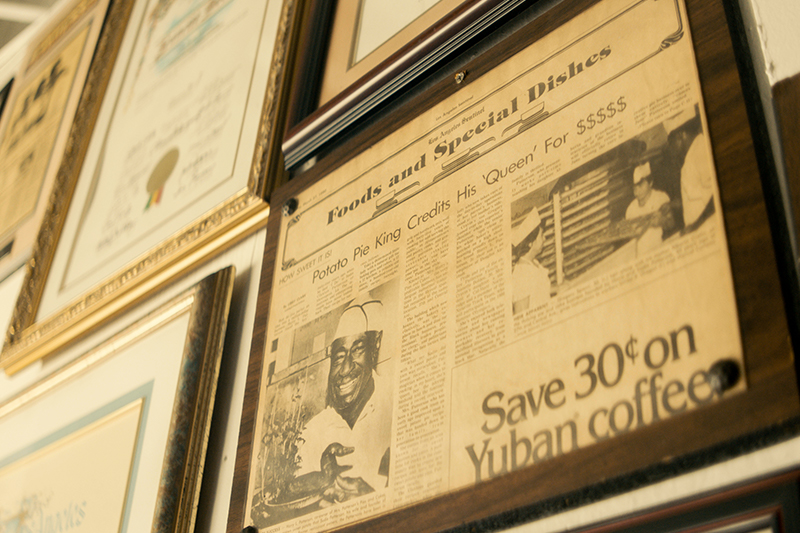
Continuity is the word people reach for when they want to say a shop feels the same as it used to. That is mood, not measurement. Here, continuity is dated. A start on Central Avenue in the 1930s. A pivot to a bakery in 1956. Then a long stretch of family ownership that is not just legally continuous but culturally clear. The names in the founding story and the names on the current paperwork come from the same tree.
There is a civic comfort in that. Cities survive on change, but they stay legible through the places that do not blink every decade. If you have lived here long enough, you have lost count of the storefronts that changed twice before you got used to the second name. The places that anchor memory are the ones you can describe with two dates and a family line. 27th Street Bakery fits that description without needing to try.
It also fits a different kind of Los Angeles story, the one that makes room for scale without spectacle. Nearly three hundred vendors is the kind of number you might expect from a corporate brand with a national ad buy. Here it lives inside a family bakery with a wholesale footprint that reaches far beyond the front counter. It is the practical version of legacy, translated into orders filled, deliveries made, and shelves stocked.
When the bakery says it is the largest maker of sweet potato pies on the West Coast, take the statement the way you would any business's self-description. It is the brand talking about itself. That does not make it untrue or uninteresting. It makes it a claim you place next to what you can verify. On the other side of the ledger is that vendor count and those dates. The claim hints at the confidence behind the ovens. The count and the calendar show you the frame that confidence is built on.
Put the two together and you get a picture that fits South LA more than an ad slogan ever could. Pride is part of the equation, and so is repetition. You do not serve close to 300 vendors unless tomorrow looks a lot like yesterday and everyone is fine with that. You put dough in pans, you track orders, you call the driver, you fix the thermostat on the proofer, and you do it again. The emotions that attach to a place after that many years are earned by schedule as much as by story.
Which is why this particular Olympic credential reads as a footnote rather than a headline, even though it is the detail that first catches the eye. The medal matters. The bakery keeps mattering. Put them side by side and the business wins the page count. That is not a slight. It is a compliment to the reality of a shop that survived three generations, a conversion from restaurant to bakery, and a wholesale buildout big enough to stock convenience stores across the region.
So when someone tells you that a gold medalist helps run a South LA bakery, the only reasonable follow-up is to ask which one. The answer is 27th Street Bakery. Then the next sentence should include the family names, the 1956 bakery date, the 1930s Central Avenue start, the third generation of ownership, the still Black-owned line, and the reach toward close to 300 vendors. After that, if you want a flourish, you can add that the bakery says it is the largest maker of sweet potato pies on the West Coast, and you can hear the pride in the way they say it even without anyone needing to raise their voice.
It is a tidy way to end a story and a tidy way to run a business. A family started feeding a neighborhood, switched to baking in 1956, kept the keys in the family, scaled a product that travels, and, along the way, folded an Olympic gold medal into the daily work without turning the counter into a podium. The surprise is the hook. The stubborn steadiness is the point.