
In the 2025 Michelin California guide, three restaurants within a few blocks of one another in the Arts District carried stars: Kato at 777 S. Alameda St., Camphor at 923 E 3rd St., and 715 Sushi at 738 E 3rd St. For one publishing cycle, that quiet stretch of Los Angeles counted three stars inside a compact walk.
Then the map changed. By the 2026 guide, Camphor and 715 had lost their stars and Kato had been upgraded to two, leaving it the only starred restaurant of the original trio.
If that sounds like a blink-and-you-missed-it civic superlative, that is the point. A star is a simple, checkable mark, but stacked together like this it becomes a neighborhood story, one you could verify by reading a guidebook and then looking up at three front doors. Nothing splashy, no red carpet, just a handful of addresses that briefly lined up with the most closely watched little symbol in dining.
The pattern worked because it was so compact. Two of the three sat on E 3rd St., one on S. Alameda, all close enough that a person could have collected all three dining rooms in a single, early evening walk. Michelin did not anoint a long stretch of destination boulevard. It tapped three rooms set a short distance apart in the Arts District and, for a year, turned that walk into a tidy cluster of ambition and consistency.
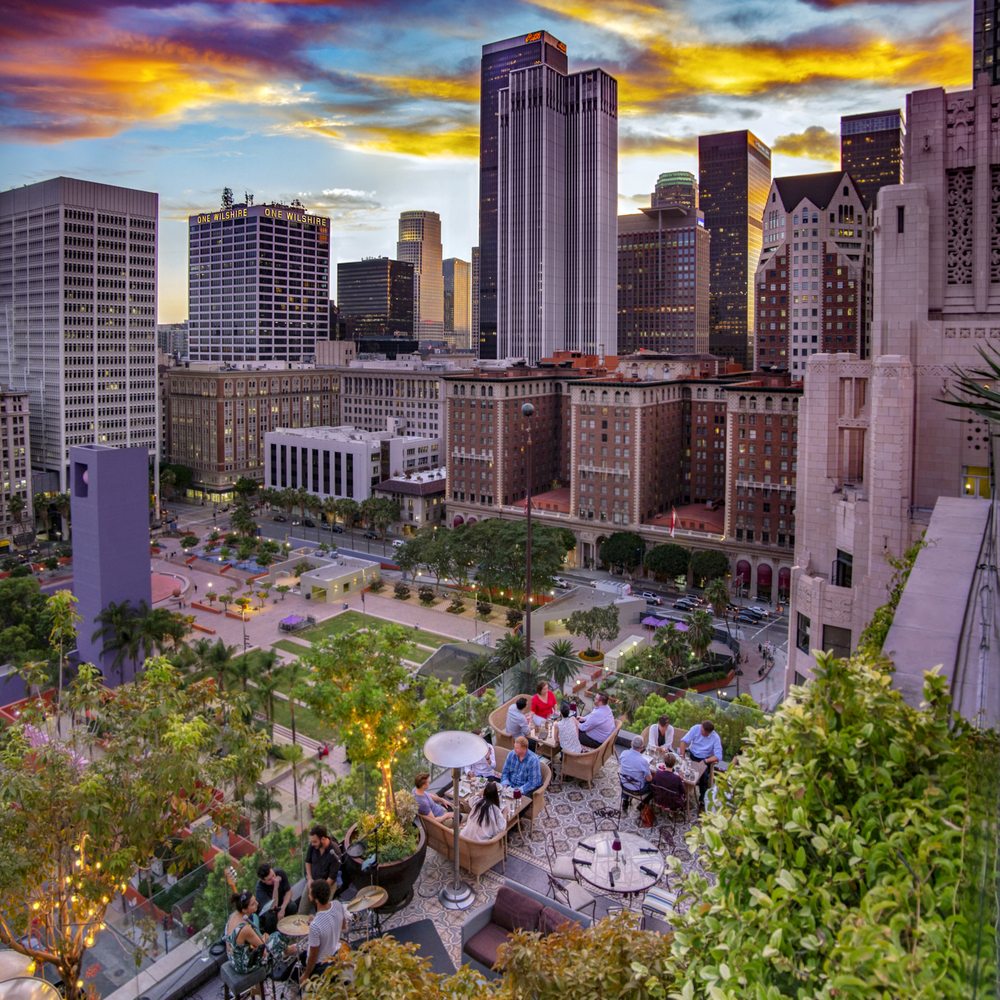
The draw here is not a sweeping claim about the Arts District as a forever dining capital. It is a dated snapshot tied to specific entries on a single list. As of the 2025 guide, that list placed stars on Kato at 777 S. Alameda St., Camphor at 923 E 3rd St., and 715 Sushi at 738 E 3rd St. The addresses do most of the talking. You can see them, say them, point to them. They give weight to the idea that for one year a small patch of the neighborhood held three stars at once.
That matters in a city where restaurant talk often lives at freeway scale. We speak in corridors and scenes. Here the unit was a few blocks and three front doors. The dining rooms did not have to shout. The proof was the mark beside their names in a book, and the proximity you could feel in your feet.
The flip side arrived just as cleanly. By the 2026 guide, Camphor and 715 lost their stars. Kato's entry changed in the other direction, upgraded to two stars. The cluster dissolved in print as quickly as it formed, and the story turned from a run to a snapshot. The addresses did not move. The marks next to them did.
It is tempting to inflate a run like this into a grand claim about the Arts District. The facts resist that. The record is specific. Three restaurants, within a few blocks, starred together in 2025. A year later, only one of the originals still held stars, and it held two. That is the whole picture. No prediction, no sweeping thesis about permanence.
Which is what makes it feel true to the place. The Arts District has always invited tidy, arm's-length takes, usually written from across the river. This one asks almost nothing of the reader except for a walk. Take E 3rd St. for two doors, then look down S. Alameda for the third. For that one year, each of those rooms lined up with Michelin's standard of excellence, the quiet kind you confirm by reading the list and then peeking through the glass.
There is another, smaller pleasure here. A star is supposed to be rare. Seeing three of them in such a tight formation turns rarity into something you can measure against the length of a single block. Two of the addresses even share the same street name. The scale shrinks, the stakes stay high, and the city feels knowable for a minute.
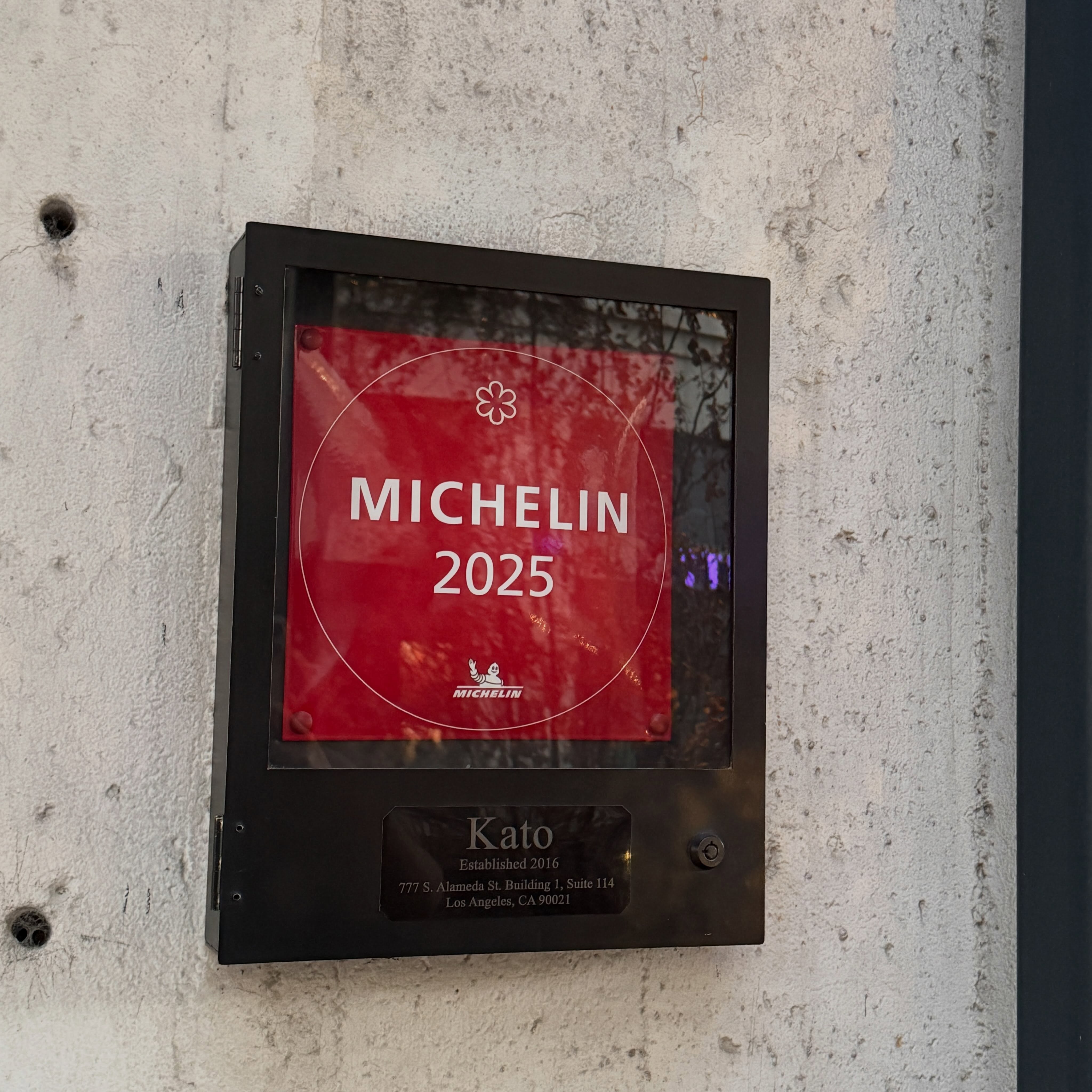
The mechanics of this are simple. Michelin releases a California guide. In the edition covering restaurants as of 2025, it awarded stars to Kato at 777 S. Alameda St., to Camphor at 923 E 3rd St., and to 715 Sushi at 738 E 3rd St. By the edition covering 2026, Camphor and 715 no longer had stars. Kato's listing showed two. That is not an argument. It is two snapshots, a year apart, that anyone can check.
When a neighborhood is rendered this way, in two columns of a guidebook, the feeling isn't triumph. It is focus. You start to notice how small the canvas actually is. The conversation is not about best-in-the-world claims or a decade-long wave. It is about what fit, for a year, inside a few blocks in Los Angeles and what changed in the next edition.
Call it quiet excellence. The addresses are right there, and so are the names: Kato, Camphor, 715 Sushi. Nothing about those entries was theatrical. They did not need to be. The value of a guide like Michelin's, when it intersects with a neighborhood like this, is how little it asks from the reader beyond attention to detail. Read the year, read the street, connect the dots.
The cluster is gone on paper, although not very long ago it was real. After the 2026 guide, only Kato from that trio carried stars, and it carried two. That leaves a different, smaller story at the same addresses. The lesson is not about loss so much as about scale. Three stars compacted into a couple of streets for one year is startling because it is specific. The reversal is just as specific. Stars move. Addresses do not.
That timeline is the safeguard against exaggeration. It keeps the story grounded. If you wanted to tell a friend what happened without hand-waving, you would name the guide years and the three restaurants, and you would mention that two of them were on E 3rd St. You would not need to embroider anything about a district's destiny. The dates and the doors supply their own charge.
It also says something about how we talk about dining in this city. We like wide angles and long arcs. Here the truth arrived as a short run and then an edit. One year, three stars grouped within a few blocks. Next year, one restaurant from the set held two stars and the others had none. That is it. It is not a letdown. It is a reminder that even the most watched markers of quality tend to live in the particulars, the sort that fit neatly on a line with a street number.
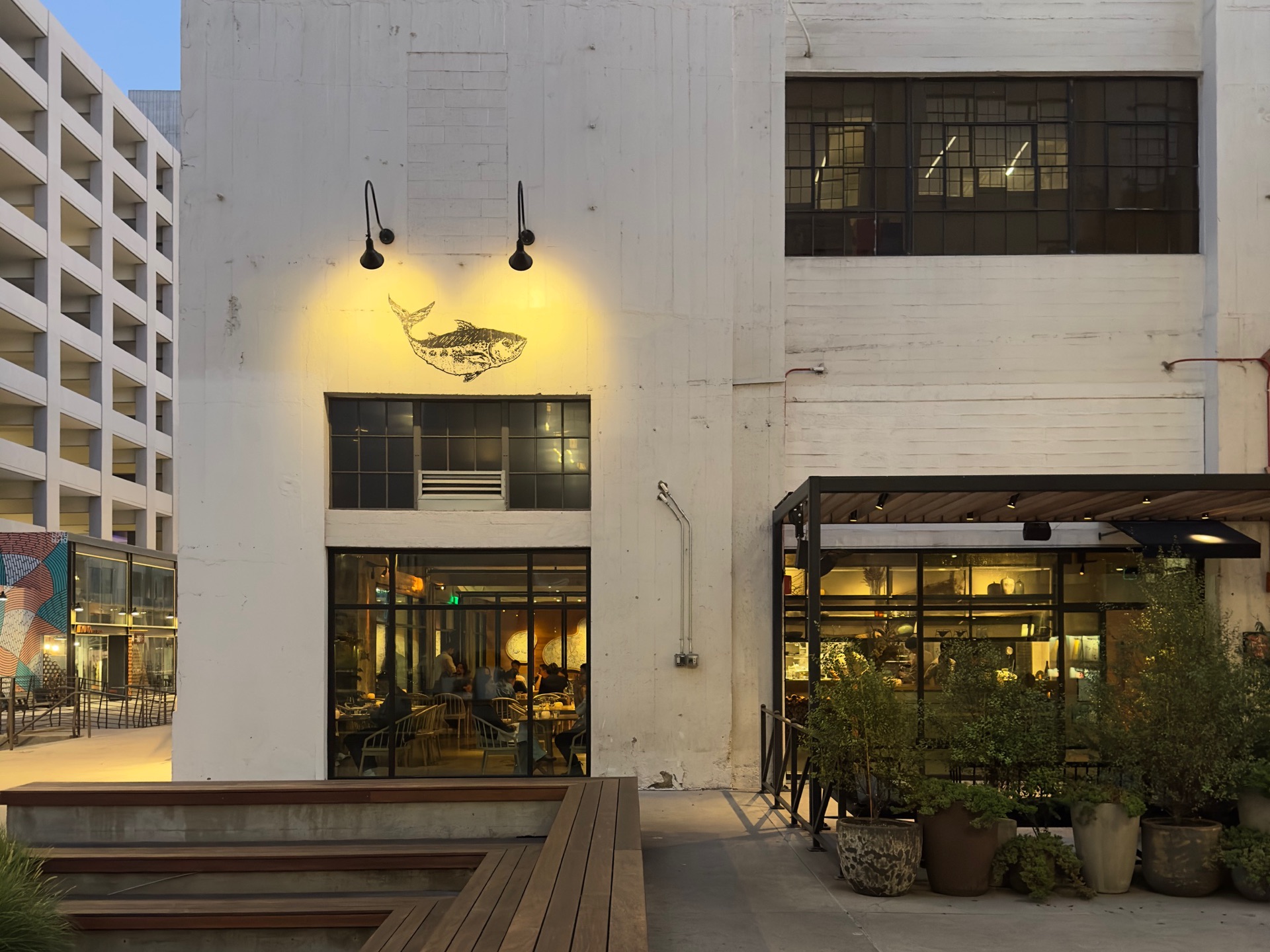
If you walked those blocks during that window, you might not have felt the ground shift under your shoes. That is part of the charm. Excellence did not announce itself beyond an entry in the book. It was ordinary until you looked closely, and then it was exacting. For a year, the Arts District wore that precision in the span of a short stroll. By the next edition, it had shed two stars and seen one restaurant's count rise. The city did what it always does. The paper trail kept up.
Which leaves one neat image to hold on to. Picture those three doorways inside a few blocks, with the guidebook page from 2025 in your hand. Then flip the page to 2026 and see two names unstarred and one promoted to two. That is the whole story, and it is enough. The cluster lived for a year. The addresses are still there. The marks beside them changed, and that small change is what makes the memory stick.