
An IMDb-based study by American Home Shield did the thing Angelenos are always promising to do and rarely have time for. It counted. By that count, Hollywood Boulevard has shown up in 133 movies and TV shows, which is more appearances than any other street in the United States.
People will argue about what "iconic" means. Numbers are less forgiving. A total like 133 is an edit bay's truth, pulled from credits rather than hype, and it says something plain about Los Angeles that most of us feel but do not phrase this way. If you watch American film and television with any regularity, you have been to Hollywood Boulevard again and again, whether you meant to or not.
There is a quieter echo to the finding. In a separate national top-five tally built on the same kind of count, Rodeo Drive shows up with 20 credits. That is a different ranking, not a head-to-head with Hollywood Boulevard, but it shores up the larger point. Plenty of streets are famous, and then there are the ones that show up on camera often enough for the database to back it up.
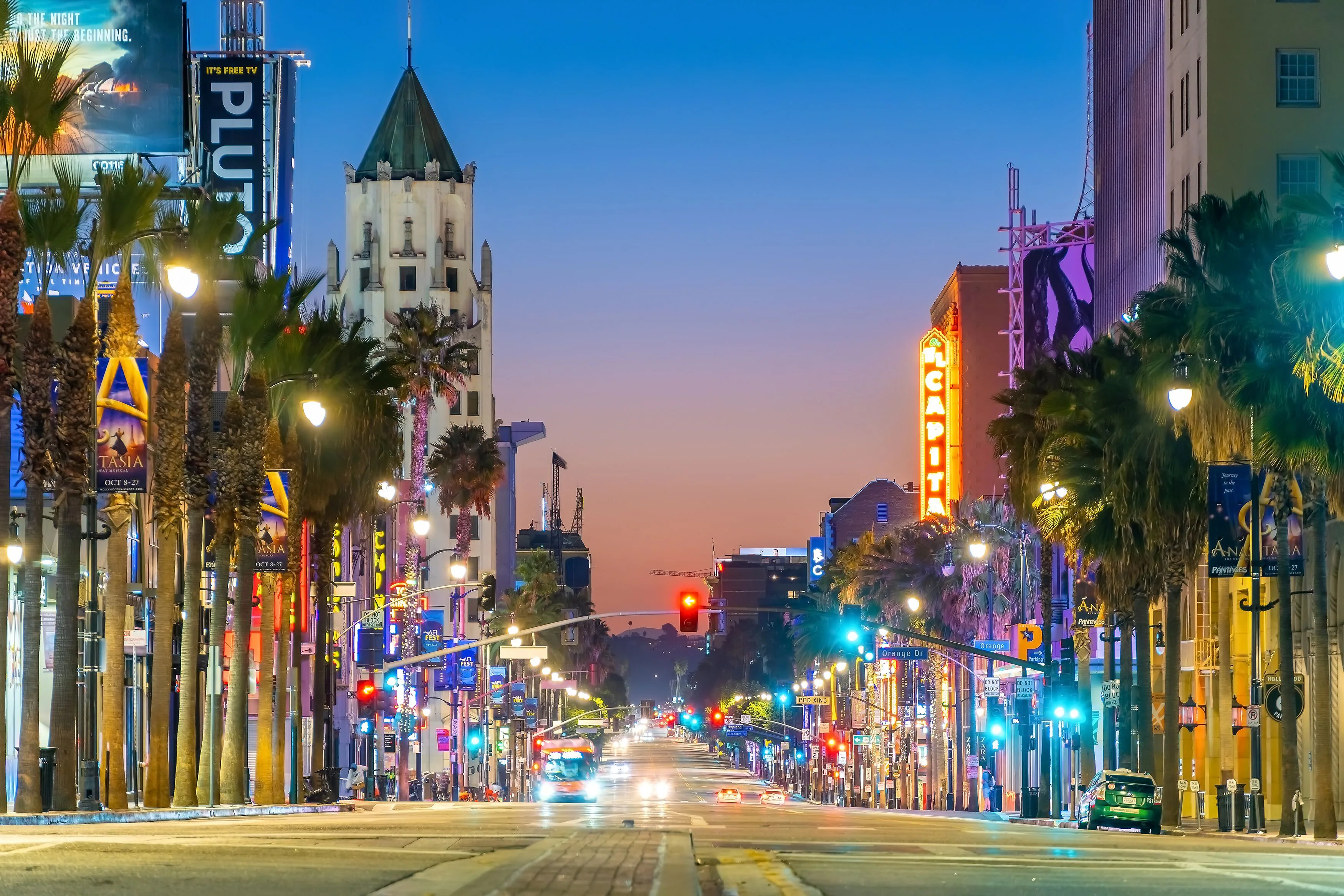
Some places need to be introduced. Hollywood Boulevard rarely does. When it appears on screen, the title card can relax. The street brings its own caption. That is what a total like 133 really describes. You could call it versatility or recognizability. The simpler reading is that the street works. It solves a director's problem quickly. It does not need a monologue to explain what it is.
There are many ways to be filmed. A street can photobomb a scene through the windshield, settle in as an establishing shot, or host a walk-and-talk that lasts two city blocks. The count here lumps all of that together. It is not romantic and it is not an argument. It is a practical record of how often one stretch of pavement gets asked back to set. That is the kind of stardom that earns itself in the call sheet, not the souvenir shop.
It also hints at a feeling Angelenos recognize when they see crews fold up their chairs at the end of a long night. A street that often plays itself starts to feel like a colleague rather than a backdrop. The quiet pride comes not from pageantry, but from repetition. Someone keeps picking this exact line on the map because it keeps doing the job.
The word "Hollywood" collects mythology the way a camera lens collects fingerprints. Everyone has their own version. What this study provides is a checkable measure that cuts through the fog. It is not a tourism slogan and not a civic press release. It is a database pass on where the cameras actually pointed, rolled, and then made it into the credits often enough to count.
There is a good discipline in treating the claim exactly at face value. This is not "the most storied boulevard" or "the most beloved block." It is the most filmed, by a specific count tied to credits. That precision matters, because it keeps the claim from ballooning into something woolly or unprovable. If you wanted to argue it down, you would have to pull a longer list from the same kind of sources. Until then, the street holds the lead on the only scoreboard that was actually tallied.
Rodeo Drive's separate placement in the national top five, at 20 credits, helps illustrate how a familiar address turns into a measurable presence. A street can be instantly recognizable in your head, and yet the count tells you how often it shows up in the work itself. Familiarity is a feeling. Credits are a record.
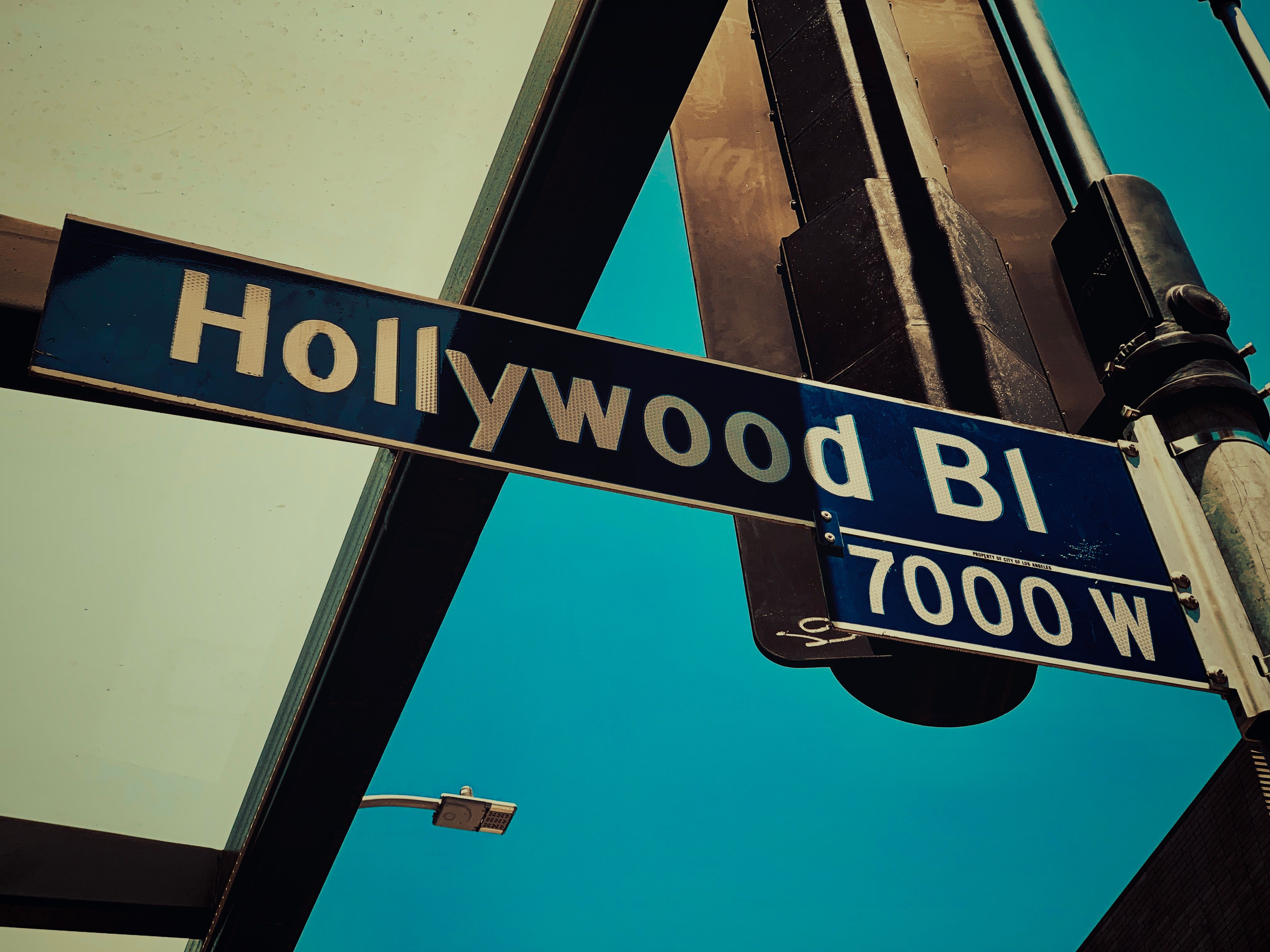
Statistics can go flat if you read them wrong. The trick is to convert the number back into lived time. Try this. Think about the last year's mix of comfort rewatches and new releases. Consider how many of those had a city in frame, then how many needed shorthand for the movie business itself, or for show-business dreams, or for the Los Angeles that non-Angelenos think they know. Each time the camera took that route, there was a good chance it landed on the same boulevard. After a while, even a casual viewer stacks up a personal ledger that shadows the official one.
There is also the day-to-day experience for the people who live or work nearby. You can walk to a coffee break and pass a dolly track, or cross back after lunch and realize the storefront across the way is in costume. None of that needs to be said out loud to anyone. The count of 133 has already said it more cleanly.
Measured fame is not glamorous. It is closer to a craft reality. A street keeps turning into a location because it solves the problem at hand, not because it is owed the role. If you want a certain mix of energy and consequence on camera, you pick the place that reads as itself in a single cut. That is what Hollywood Boulevard has been doing for a long time. The study just puts the habit into a number.
Every city has places that filmmakers use as footnotes. A skyline to say "we are here," a neighborhood to say "this is what kind of story you are watching." The IMDb-based tally tells you which streets do that job so reliably they leave a digital trail. Hollywood Boulevard is not only famous. It is useful. It can handle a chase without losing its identity. It can hold a close-up and still tell the audience where they are.
This is why the result feels both obvious and fresh. On one level, of course the country's film street is in Los Angeles. On another, the gap between a vibe and a verifiable count is not small. The finding nudges us to adjust how we talk about the place. Instead of "this street is iconic," try "this street appears on camera more than any other in the country, 133 times in the credits we can trace." One is an opinion. The other is a line you can point to and check.
Rodeo Drive's separate showing, with its 20 credits in a national top-five bracket, adds context without collapsing into a contest. It hints that Southern California streets in general are overrepresented in our shared reel, but the lesson is not regional bragging. It is about what turns a location into a visual shortcut. A place that reads, instantly and reliably, earns more minutes of screen time over the years. The database just confirms who has been doing that work steadily.

Does knowing the number change how the boulevard feels underfoot. Not really. If anything, it helps the mind catch up to what the eyes have been seeing all along. You are not walking past a monument so much as moving through a hard-working piece of film grammar, the kind that keeps showing up because editors keep choosing it and audiences keep understanding it without thinking.
The broader city does not need the validation. Still, there is comfort in having one crisp, verifiable line that connects the stories we tell about Los Angeles to the work that gets shipped out to the world. If someone from out of town asks why they recognize a corner they have never visited, you can skip the elevator pitch and give them the number. 133. More than any other street in the country. End of explanation, for once.
And if the conversation wanders toward other well-known addresses, there is a second number you can carry in your pocket without turning it into a footrace. Rodeo Drive sits in a national top five of its own, with 20 credits logged in the same spirit of counting. Different tally, same idea. We have our famous names. The database shows which ones keep finding their light.
There is a humility in treating a star street like a working street. The camera does not clock in, but the grip truck does, and somewhere in that repetition is the reason a boulevard becomes a default. The IMDb-based study simply reveals the pattern that crews have been drawing for years, one call sheet at a time. It is not a grand theory of culture. It is a list, and the top of that list is a place people here cross on a weekday to make a meeting.
Next time it slides into view, do the quiet math of recognition. You have seen this exact frame many times, even if you could not name all of them offhand. That is what 133 looks like in a life spent with screens. It is not a shout. It is a steady chorus that resolves into a single street name when you finally stop to count.