
Buy the same $1,500 laptop on Fairfax and again on the Third Street Promenade and you will not be charged the same tax. Inside Los Angeles city limits the combined rate is 9.75%, while Santa Monica rings up at 10.75%. That single percentage point is a $15 swing on a $1,500 purchase, and the story behind it explains how sales tax really works here.
California starts everyone at a statewide base of 7.25%. That base combines the state portion and a fixed 1.25% local share that goes to cities and counties under the Bradley‑Burns Uniform Local Sales and Use Tax. On top of that, voters can approve extra “transactions and use” taxes for transportation, homelessness services, city general revenue, and similar purposes. Those voter‑approved extras are called district taxes.
In Los Angeles County, two countywide transportation taxes apply everywhere in the county: Measure R (0.50%) and Measure M (0.50%). In addition, voters approved Measure A (0.50%) countywide for homelessness and housing, effective April 1, 2025. Stack those three county taxes on the 7.25% base and you are already at 8.75% before any city adds its own local measure.
That is why different parts of LA County land at different totals. The City of Los Angeles currently totals 9.75%. Nearby Santa Monica adds more city tax and lands at 10.75%. Long Beach and Glendale are each 10.50%. Other cities vary, which is why you will see a different total on two receipts printed the same day in two zip codes separated by a few blocks.
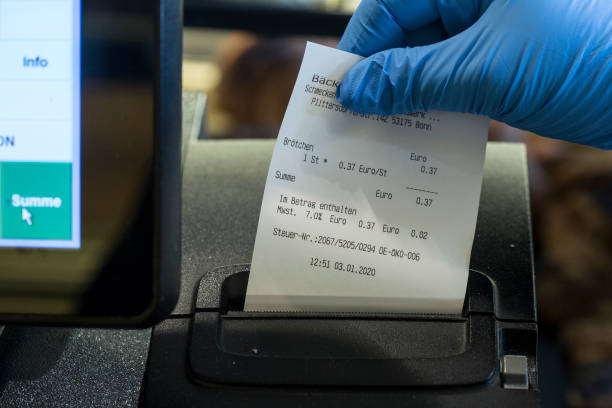
One practical housekeeping detail retailers care about but shoppers notice too: California allows stores to show a separate “sales tax reimbursement” line on the receipt. The rate used must match the rate in effect where the sale is considered to occur, which brings us to how the location rule works for everyday shopping versus deliveries.
Here is a snapshot of current rates in places many readers shop. These figures reflect rates in effect in mid‑2026 and show the real dollars a $50 taxable purchase adds at the register.
| Location | Combined rate | Tax on $50 purchase | Notes |
| Los Angeles (city limits) | 9.75% | $4.88 | Rate applies across neighborhoods like Fairfax, Koreatown, Van Nuys, and Westchester. |
| Santa Monica | 10.75% | $5.38 | Includes additional voter‑approved city tax on top of countywide measures. |
| Long Beach | 10.50% | $5.25 | City rate above the countywide baseline. |
| Glendale | 10.50% | $5.25 | City add‑on pushes the total above the City of Los Angeles. |
| Beverly Hills | 9.75% | $4.88 | Matches the City of Los Angeles total. |
| Lancaster | 11.25% | $5.63 | Among the higher totals in LA County due to local add‑ons. |
| LA County (unincorporated areas) | 9.75% | $4.88 | Applies where you are not inside any city boundary (for example, parts of East LA). |
Post office cities and actual city limits are not the same thing. A store with a “Los Angeles, CA” mailing address could be inside the separate City of West Hollywood or in the unincorporated county. The rate follows the true jurisdiction, not the zip code on the label. If you cross Sepulveda into Santa Monica to pick up running shoes, your rate is 10.75% even if your receipt also lists a “Los Angeles” mailing city somewhere else in the fine print.
Translating this to everyday math helps. A $2,500 TV bought on Fairfax in Los Angeles City adds $243.75 in tax at 9.75%. The same TV on the Promenade in Santa Monica adds $268.75 at 10.75%. In Glendale or Long Beach at 10.50%, it adds $262.50. Those are stable differences tied to where the sale is sourced, not a sale‑day quirk.
California uses a destination‑based approach for district taxes when goods are shipped or delivered. If a LA‑area retailer delivers a taxable item to your address in Highland Park, the transaction uses the 9.75% City of Los Angeles rate even if you placed the order in a Santa Monica showroom. Out‑of‑state online sellers that are registered with the state also collect LA’s destination rate at checkout. If a seller does not collect, the buyer owes use tax at the same rate for the address where the item will be used or stored.
Vehicles are a special case that people feel in their budget. The use tax on a vehicle follows the registration address, not the dealer’s location. Buy a car at a dealership in Glendale but register it at your Los Angeles address and the DMV charges tax at 9.75%. Register the same vehicle at a Santa Monica address and the DMV uses 10.75%. On a $30,000 purchase, that one‑point difference is $300 in tax. The same destination logic applies to boats and aircraft registered to an LA‑area address.
It is not unusual for delivery details to change the rate on bulky items. If you buy appliances in Burbank at 10.50% but have the store ship them to your home in Mar Vista inside Los Angeles city limits, the invoice should reflect 9.75% because that is the district tax where the refrigerator will be used. If you pick up in the store and take the appliance home yourself, the seller may apply the store’s city rate to the sale. Retailers that sell in multiple cities often program their systems to prompt for a delivery address to avoid errors on district tax reporting.
Not everything is taxable. The sale of most food products for human consumption at grocery stores is exempt. Where people get caught is on prepared food and beverages. A hot sandwich, hot coffee, or a fountain soda is generally taxable whether you dine in or take it to go. Cold groceries such as a bag of rice or a carton of milk are generally not taxed. Carbonated soft drinks are taxed, even when they come from a grocery aisle refrigerator.
Services are mostly outside California’s sales tax. A haircut, a yoga class, or a photography sitting fee does not incur sales tax. But a service fee that is part of a sale of tangible items is usually included in the taxable selling price. If a bike shop charges for parts and for the fabrication labor to build a custom wheel, that fabrication labor is taxable. Separately stated installation labor on property you already own is generally not taxable. These distinctions matter because the district taxes ride on top of the same taxable base: they apply when the sale itself is taxable and do not apply when the sale is exempt.
Two more LA‑specific wrinkles show up at checkout. First, shoppers often see a separate 10‑cent charge for a recycled paper or reusable bag at grocery and retail stores. That is a state‑mandated charge, not a sales tax change, and it shows up regardless of your city. Second, places that sell admission to a facility, like a museum, typically do not charge sales tax on the admission itself. But if you buy something tangible at the museum store, the local sales tax applies just like it would at a mall shop. At a museum store in the City of Los Angeles, that is 9.75% on merchandise.
The California Department of Tax and Fee Administration publishes the official city‑by‑city list and operates an address lookup tool that shows the rate “today” for a specific street address. Because LA zip codes overlap multiple jurisdictions, the address lookup is more reliable than guessing by neighborhood name. If you manage invoices, double‑check a few edge locations: border blocks near Santa Monica and West Hollywood, the patchwork around Beverly Hills, and the many unincorporated county pockets.
If you keep books for a small business, the documentation you need to support the rate on your receipt is the ship‑to or service address and the jurisdiction printed on the invoice, not just the store’s mailing city. Vendors that deliver within the county should treat the sale as sourced to the delivery address when district tax rules require it. For high‑ticket purchases, it is reasonable to ask the seller to confirm the address they are using to determine the rate.
When in doubt, you can call CDTFA’s customer service. Staffed hours are Monday through Friday, 7:30 a.m.–5:00 p.m. and agents can confirm the rate for a specific address or explain why a district add‑on applies. That is useful if a receipt appears to have the wrong city printed or a delivery crossed a city line.
No. The combined rate inside City of Los Angeles is 9.75%, while nearby cities differ. Santa Monica is 10.75%, Glendale and Long Beach are 10.50%, and Beverly Hills matches Los Angeles at 9.75%. Unincorporated county areas also sit at 9.75%. The differences come from city‑level district taxes added on top of countywide measures.
The destination rate. If a store delivers to your Los Angeles address, the 9.75% City of Los Angeles rate applies, even if you ordered in a higher‑rate city. Out‑of‑state sellers registered with California also collect the destination rate. If a seller does not collect, you owe the same rate as use tax for the address where the item is used or stored.
Vehicles follow the address where they are registered. Buy in Glendale and register at a Los Angeles address and the DMV uses 9.75%. Register at a Santa Monica address and the DMV uses 10.75%. This is why two buyers at the same dealer can pay different tax totals on the same model.
Most grocery food for home consumption is exempt. Prepared hot foods and carbonated beverages are generally taxable. So a bag of rice is not taxed, a hot breakfast burrito is, and a chilled bottle of soda is taxed as well. Those same rules apply whether you are in Los Angeles, Santa Monica, or any other LA County city.
If you are comparing prices on a big‑ticket item, check the rate by address first. The difference between 9.75% and 10.75% is $10 per $1,000 of taxable price, and the destination or registration address is usually what decides which one you will pay.
Published: September 4, 2026