
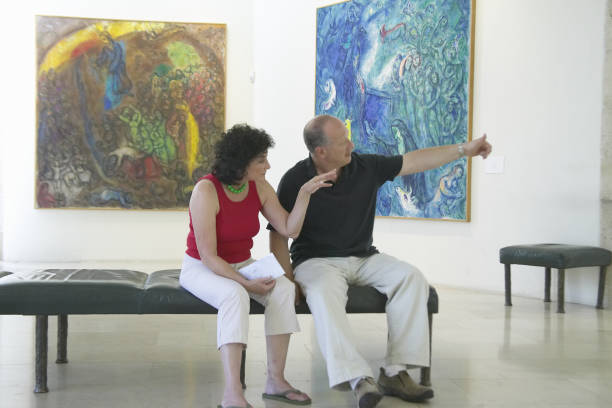
Maybe you already have the big-ticket stops circled. Keep those. But if you want the places locals return to, the ones tucked beside college quads, next to neon diners, or inside a Cold War-era armory-turned-archive, you’ll find them scattered across the county. They cost less, they’re easier to navigate, and they tell stories that feel like this city, not a brochure.
California African American Museum (CAAM) anchors Exposition Park with exhibitions on art and history tied to the West. Admission is free, galleries are open Tuesday–Saturday 10 a.m.–5 p.m. and Sunday 11 a.m.–5 p.m., and the address is 600 State Drive inside the park. On event days at the Coliseum or BMO Stadium, traffic and parking tighten up, so rail riders often hop off the E Line at Expo Park/USC and walk across the Rose Garden. Plan about 60–90 minutes for a first visit, longer if you linger in the atrium installations.
In the Arts District, the Institute of Contemporary Art, Los Angeles (ICA LA) is built for quick, repeatable visits. Admission is always free, the museum posts 11 a.m.–6 p.m. public hours, and there’s free on-site parking for the length of your visit at 1717 E 7th St. Shows turn over regularly, and it’s a smooth add-on to a downtown day since many galleries sit within a few blocks.
Westwood’s Fowler Museum at UCLA is free too, with hours Wednesday 12–8 p.m. and Thursday–Sunday 12–5 p.m. The museum’s Pay‑By‑Plate parking in UCLA’s Lot 4 runs $5 per hour, max $17 per day, which is still cheaper than many private garages in the area. If you’re on transit, the walk from the campus transit center to the Fowler is flat and well signed.
Two more no-cost stops that punch above their size: USC Fisher Museum of Art at University Park, which is free and typically open Tuesday–Friday 10 a.m.–4 p.m. and most Saturdays 10 a.m.–4 p.m. The museum closes on certain USC football Saturdays, so check game days if you’re visiting in fall. Campus parking is a flat day rate of around $20, but the Metro E Line gets you within a 10–12 minute walk. And at the historic plaza downtown, LA Plaza de Cultura y Artes is free and open Wednesday–Sunday 12–5 p.m., with last entry at 4:30 p.m. at 501 N Main St. Exhibitions lean into the Mexican, Mexican American, and broader Latinx story of the region.
On Wilshire across from the La Brea Tar Pits, Craft Contemporary focuses on contemporary craft and design rather than a single historical era. General admission is $12, discounted to $10 for students, educators, and adults 65+, with free entry for children 12 and under and EBT cardholders. Sundays are pay what you wish, and galleries are open Wednesday–Sunday 11 a.m.–5 p.m., with an evening stretch on the first Thursday 12–8 p.m. Metered streets nearby are common, and there’s garage parking in the Museum Square complex if you prefer a lot.
In downtown Glendale, the Museum of Neon Art (MONA) preserves classic signs and electric light art. Hours are Thursday–Saturday 12–7 p.m. and Sunday 12–5 p.m. General admission is $10 with discounts for seniors ($8) and Glendale residents ($5 with ID), and EBT cardholders are $3. Park in the city garage at 120 Artsakh Ave for 90 minutes free, then stroll one block to Brand Boulevard. Expect a one-hour circuit unless you read every placard, in which case you can easily spend two.
Farther east, the American Museum of Ceramic Art (AMOCA) in Pomona opens Friday–Sunday 11 a.m.–4 p.m. and keeps pricing simple: $14 adults; $9 for seniors and military; $7 for students, educators, and Pomona residents; free for children 12 and under. First Fridays at AMOCA shift to pay-what-you-can, a useful tip if you’re testing the waters or bringing a group. If you prefer rail, the extended A Line reaches Pomona; from the Pomona–North station it’s just under three miles by rideshare or bike.
The Wende Museum in Culver City collects Cold War material culture and contemporary responses to it, from monumental tapestries to street posters. It is free and open Friday–Sunday 10 a.m.–5 p.m., set along Culver Boulevard with easy access to Culver City’s bus lines and plenty of neighborhood food a short walk away. Exhibitions tend to connect geopolitics to everyday design, which makes it a solid stop for mixed-interest groups.
A five-minute drive away sits the most debated museum in town, the Museum of Jurassic Technology. It posts deliberate hours, Thursday–Friday 2–8 p.m. and Saturday–Sunday 12–6 p.m., and operates on a suggested admission model: $15 adults, $12 for students and seniors, and $3 for disabled visitors and active service personnel in uniform, with children 12 and under free. Two practical rules matter here: no photography or phone use inside, and capacity is limited enough that advance reservations are encouraged. Many visitors plan a tea in the upstairs Tula Tea Room at the end, which is included in admission.
Stack your route by neighborhoods. A car-free afternoon is easy around Exposition Park. Pair CAAM and a stop at the USC Fisher Museum of Art with a picnic in the Rose Garden, and remember Fisher is closed some Saturdays when USC hosts football. If you do drive to USC, budget the campus parking day rate of around $20, or ride the E Line from downtown and skip the lots entirely.
On the Westside, aim for a simple loop: park once at UCLA’s Lot 4 for the Fowler Museum ($5/hour, max $17) and spend 60–90 minutes in the galleries before a walk to Westwood Village. If you cross to the Miracle Mile, Craft Contemporary is designed for a sub-two-hour visit. Time your arrival on the first Thursday for evening hours or Sunday if you prefer pay‑what‑you‑wish. Metered streets around Wilshire and Masselin turn over often, and you can avoid peak demand by coming right at opening.
Headed to the San Gabriel Valley or beyond, cluster east-county stops. AMOCA’sFriday–Sunday 11 a.m.–4 p.m. window pairs well with Pomona’s Second Saturday Artwalk. The A Line now reaches Pomona, so you can ride and walk or rideshare the last few minutes to the museum. In the north of downtown, LA Plaza de Cultura y Artes works best as a midday 12–5 p.m. visit, particularly if you want to catch Olvera Street vendors before they wrap. Remember the 4:30 p.m. last entry.
| Museum | Neighborhood | Admission | Typical Hours | Useful Tip |
| California African American Museum (CAAM) | Exposition Park | Free | Tue–Sat 10 a.m.–5 p.m.; Sun 11 a.m.–5 p.m. | E Line stop across the park helps you skip event-day traffic. |
| Institute of Contemporary Art, Los Angeles (ICA LA) | Arts District | Free | Posts 11 a.m.–6 p.m. public hours | On-site parking is free during your visit at 1717 E 7th St. |
| Craft Contemporary | Miracle Mile | $12 adults; $10 students/65+; Sun pay‑what‑you‑wish | Wed–Sun 11 a.m.–5 p.m.; First Thu 12–8 p.m. | Metered street parking is common around Wilshire and Masselin. |
| Museum of Neon Art (MONA) | Downtown Glendale | $10 general; $5 Glendale residents; $3 EBT | Thu–Sat 12–7 p.m.; Sun 12–5 p.m. | Use the Artsakh garage’s 90-minute free window. |
| Wende Museum | Culver City | Free | Fri–Sun 10 a.m.–5 p.m. | Good lunch pairing on Culver Blvd before or after. |
| Museum of Jurassic Technology | Culver City | Suggested: $15 adults; $12 students/62+; $3 disabled | Thu–Fri 2–8 p.m.; Sat–Sun 12–6 p.m. | No photography, and reservations are wise on weekends. |
| American Museum of Ceramic Art (AMOCA) | Pomona | $14 adults; $7 students/educators/Pomona residents | Fri–Sun 11 a.m.–4 p.m. | First Fridays are pay‑what‑you‑can. |
| USC Fisher Museum of Art | University Park | Free | Tue–Fri 10 a.m.–4 p.m.; most Sat 10 a.m.–4 p.m. | Closed on some USC football Saturdays; campus parking is a day rate. |
| LA Plaza de Cultura y Artes | El Pueblo/Olvera Street | Free | Wed–Sun 12–5 p.m. (last entry 4:30 p.m.) | Combine with a walk through Olvera Street for snacks and murals. |
Each of these museums sits inside an existing neighborhood rhythm rather than on a hilltop removed from it. CAAM is part of an all-day Exposition Park plan with sports and science families already know, yet it holds space for artists whose work doesn’t appear in survey shows. ICA LA is literally ringed by working studios and cafes, so a 45-minute gallery stop can become a conversation two blocks away. Craft Contemporary keeps a steady calendar of hands-on workshops tied to the shows on view, not a separate education track. That makes a difference if your group ranges from “reads every label” to “just tell me what’s cool.”
Medium-specific places change how you look elsewhere. After MONA, the city’s neon starts to read like a living archive as you drive out on Brand or Sunset. A slow hour at AMOCA reframes your eye for clay and glaze in larger encyclopedic collections later. At the Wende, Cold War graphics and household objects echo through later L.A. design, from strip mall signage to political posters. None of those connections require a whole afternoon, and most of these museums keep their galleries small enough to reward a lunch-break visit.
Logistics tend to be easier, too. LA Plaza makes downtown parking decisions less fraught because you can feasibly arrive on a train, spend an hour inside, then stroll the plaza and Olvera Street before the 5 p.m. close. Fisher and CAAM are both walkable from the E Line if you want to align your day with game schedules or skip Expo Park lots entirely. And Craft Contemporary’sfirst-Thursday evening hours solve the “we land at 4 p.m.” problem for travelers who want to do something real before dinner.
If you only have one open slot, choose based on the day and the built-in savings. Sunday works well for Craft Contemporary thanks to pay‑what‑you‑wish entry and quieter Miracle Mile traffic. Thursday to Saturday evenings belong to MONA, when the galleries glow like their subject. Friday afternoon is a sweet spot at Wende if you want time to sit in the garden and still make a Culver City dinner reservation.
ICA LA is a straightforward choice since admission is free, posted hours run to 11 a.m.–6 p.m., and there’s free on-site parking during your visit. If you’re nearer Union Station, LA Plaza de Cultura y Artes is also free and open 12–5 p.m. with last entry at 4:30 p.m.
Yes. MONA stays open 12–7 p.m. Thursday through Saturday, and the ticket is $10 general with a $5 Glendale resident option. The Museum of Jurassic Technology opens 2–8 p.m. Thursday–Friday, though advance reservations help on busy nights.
At Exposition Park, both CAAM and USC Fisher are a short, direct walk from the Metro E Line’s Expo Park/USC station. For LA Plaza, ride to Union Station and walk a few blocks through El Pueblo. AMOCA sits about three miles from the Pomona–North A Line stop, so budget a quick rideshare or a bike.
Craft Contemporary is built for shorter visits, with pay‑what‑you‑wish Sundays if you want a trial run. MONA can be a one-hour circuit, and kids under 12 are free. For outdoor spillover space, LA Plaza sits on a pedestrianized plaza next to Olvera Street.
Take your pick by neighborhood and by the kind of time you have. If you want a sure thing, start with one free stop near where you are that hour and build from there. The smaller places rarely ask for more than two hours, and they repay the attention.
Published: September 5, 2026